
X-Ray Film Disposal: The Right Way to Protect Patient Privacy
Medical facilities across Oregon and Washington handle sensitive patient information daily. While most healthcare providers know to shred paper records, many overlook a critical privacy vulnerability: improper x-ray film disposal.
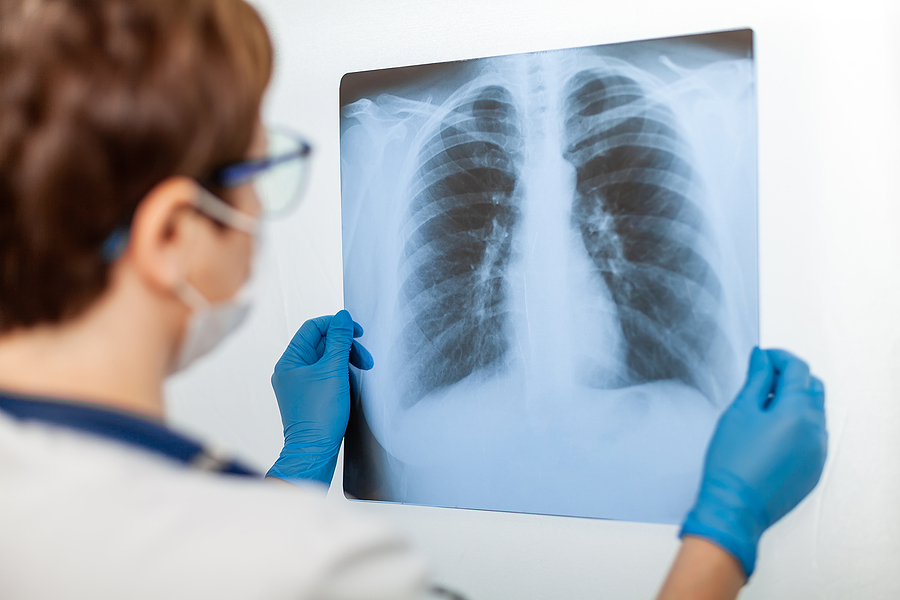
X-ray films contain protected health information (PHI) just like paper documents. Each film displays patient names, identification numbers, medical record details, and diagnostic images. Tossing these films in regular trash or recycling bins creates serious HIPAA compliance risks.
Why X-Ray Films Require Special Handling
Traditional x-ray films pose unique disposal challenges. The silver-based material doesn’t break down like standard paper, and standard office shredders can’t process the thick, durable film material. Without proper destruction methods, discarded films remain readable for years.
Healthcare organizations must treat x-ray disposal with the same security protocols applied to medical data shredding of paper records. Federal and state regulations require complete destruction of all PHI, regardless of format.
The Hidden Costs of Improper Disposal
HIPAA violations carry penalties ranging from $100 to $50,000 per violation. A single breach involving improperly discarded x-rays could result in hundreds of violations if multiple patient records are exposed.
Beyond financial penalties, healthcare providers face:
- Damaged professional reputation within the medical community
- Loss of patient trust and potential decrease in practice volume
- Mandatory corrective action plans and increased regulatory oversight
- Legal liability if patients suffer identity theft or fraud
Our team at DataSafe works with medical facilities throughout the Portland and Vancouver areas to prevent these costly scenarios.
Secure X-Ray Film Destruction Methods
Professional x-ray shredding services use industrial equipment designed specifically for film materials. The process renders films completely unreadable and unrecoverable, ensuring full HIPAA compliance.
Our secure destruction process includes: Locked container placement at your facility, scheduled pickups to maintain workflow efficiency, transportation in secure vehicles to certified facilities, and complete destruction using specialized equipment.
As a NAID AAA certified provider, we follow the highest industry standards for secure destruction. Every service includes a Certificate of Destruction documenting compliance for your records.
Developing a Compliant Disposal Program
Medical practices need clear policies for x-ray retention and disposal. Digital imaging has reduced film usage, but many facilities still maintain archives of older films requiring eventual destruction.
We recommend implementing a comprehensive records management system that tracks film retention periods and schedules timely destruction. Regular scheduled shredding services prevent accumulation of outdated materials and reduce storage costs.
For clinics transitioning to digital systems, one-time purge services efficiently eliminate large volumes of archived films. Our team coordinates logistics to minimize disruption to daily operations.
Environmental Benefits of Professional Film Recycling
Proper x-ray disposal protects patient privacy while supporting environmental sustainability. The silver content in traditional films makes them valuable for recycling when processed through appropriate channels.
Professional destruction services separate silver for recovery during the shredding process. This approach diverts medical waste from landfills and recovers valuable materials for reuse in manufacturing and industrial applications.
Frequently Asked Questions
Can regular paper shredders destroy x-ray films?
No, standard office shredders cannot process x-ray film material. The thick, durable films jam conventional equipment and require industrial shredders designed specifically for medical film destruction to ensure complete destruction and HIPAA compliance.
How long should medical facilities retain x-ray films before disposal?
Retention requirements vary by state and record type. Oregon requires medical records retention for seven years after the last patient contact, while minors’ records must be kept until age 21. Consult legal counsel to determine specific requirements for your practice.
What happens to x-ray films after professional destruction?
After secure shredding, the silver content in films is separated and recovered for recycling. The remaining materials are processed according to environmental regulations, diverting waste from landfills while protecting patient privacy throughout the entire disposal process.
Are digital x-ray backups also considered PHI requiring secure disposal?
Yes, digital x-ray files contain protected health information and require secure deletion when no longer needed. Hard drives and electronic media storing medical images must undergo certified data destruction to prevent unauthorized access and maintain HIPAA compliance.
How often should medical practices schedule x-ray film disposal services?
Schedule frequency depends on film volume and available storage space. Most practices benefit from quarterly or annual pickups for archived materials. Facilities still using film regularly may need monthly service to manage ongoing disposal needs efficiently.
Do x-ray film disposal services provide proof of destruction?
Reputable providers issue Certificates of Destruction documenting date, time, and materials destroyed. These certificates serve as legal proof of compliance with HIPAA regulations and should be maintained in your facility’s records management system for audit purposes.
DataSafe provides comprehensive shredding services to businesses and residents in greater Portland, Oregon and Vancouver metro areas and southern Washington state. For document security shredding inquiries or to schedule document security service, complete the form on this page or call us at: Portland (503) 620-3423 or Vancouver (360) 218-2582.
Get Your Quote
"*" indicates required fields