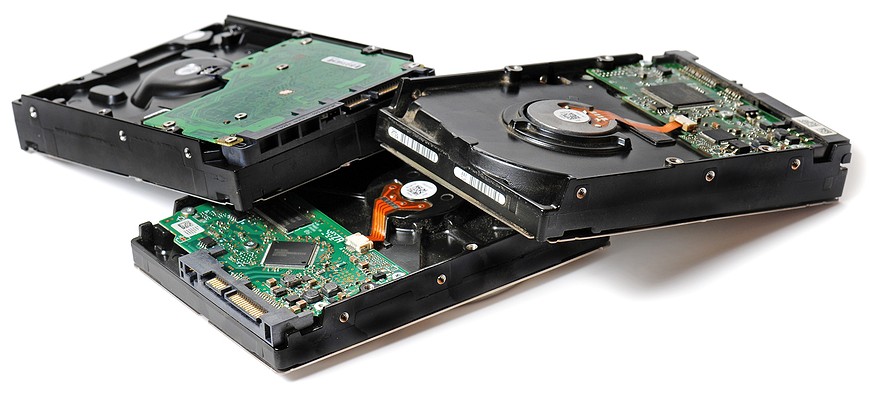
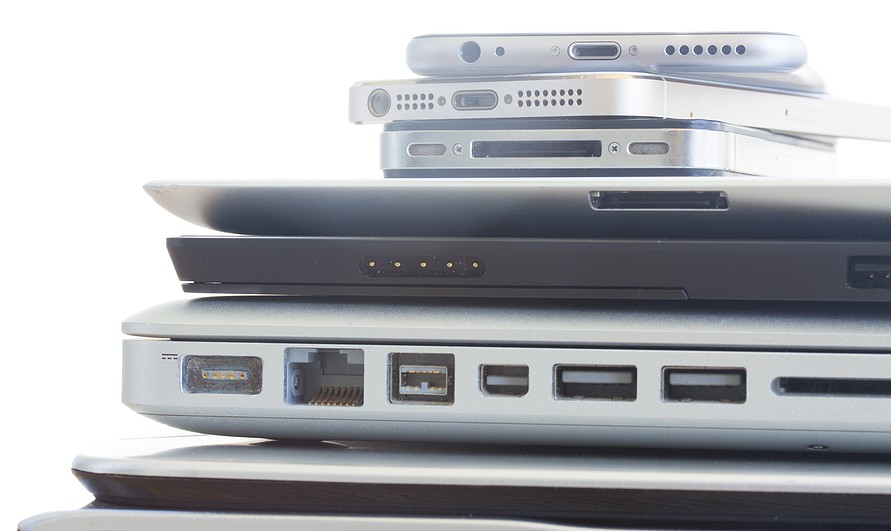
Electronic media contains some of your most sensitive business data. Hard drives, USB devices, smartphones, and backup tapes store customer records, financial information, and proprietary data that could devastate your company if exposed. When these devices reach end of life, proper destruction is not optional. It is a compliance requirement.
Our team at DataSafe has compiled this comprehensive checklist to guide businesses through the electronic media destruction process. Following these steps protects your organization from data breaches and ensures compliance with federal and state regulations.
Policy and Compliance
Before destroying any electronic media, establish clear policies that meet legal requirements. Your destruction program must align with industry regulations and demonstrate due diligence in protecting sensitive information.
- Review all applicable regulations including HIPAA, FACTA, GLB Act, and state privacy laws that govern your industry and operations
- Document your data retention schedule specifying when different types of electronic media should be destroyed after they are no longer needed
- Create written procedures that define who authorizes destruction, how devices are tracked, and what documentation is required
- Establish inventory protocols for tracking all electronic media containing sensitive data from acquisition through final destruction
- Designate specific personnel responsible for overseeing the media destruction process and maintaining compliance records
- Verify that your destruction vendor holds NAID AAA Certification to ensure they meet the highest security standards
- Schedule annual policy reviews to incorporate new regulations and update procedures based on emerging threats or technology changes
 Preparation
Proper preparation prevents accidental destruction of needed data and ensures complete documentation. This phase requires careful attention to detail and systematic organization.
- Identify all electronic media types in your facility including hard drives, SSDs, USB drives, CDs, DVDs, backup tapes, and mobile devices
- Verify that data backups are complete and accessible before scheduling any media for destruction to prevent permanent loss of required information
- Remove devices from networks and power them down completely to prevent any data synchronization during the collection process
- Create detailed inventory lists documenting serial numbers, device types, storage capacity, and the departments that used each item
- Apply tamper-evident tags or seals to each device immediately after removal from service to maintain chain of custody
- Store collected media in secure collection containers in a locked room with restricted access until destruction
- Photograph or video document high-value assets before destruction to provide additional verification for audit purposes
Destruction Methods
The destruction method must render data completely unrecoverable. Different media types require specific destruction techniques to meet compliance standards.
- Physical shredding reduces hard drives and solid-state devices to particles smaller than industry-specified sizes, typically under two millimeters
- Degaussing uses powerful magnetic fields to erase data from magnetic media like traditional hard drives and backup tapes
- Crushing and bending physically destroys the internal components of drives, making platters and circuit boards completely unusable
- Disintegration pulverizes electronic media into fine particles, meeting Department of Defense standards for classified information destruction
- Ensure all methods meet NIST 800-88 guidelines for media sanitization and data destruction to satisfy federal compliance requirements
- Never rely solely on software wiping for devices leaving your control, as skilled attackers can recover supposedly erased data
Disposal and Verification
Documentation proves your organization fulfilled its data protection obligations. Verification provides the evidence you need during audits or investigations.
Our electronics shredding services in Portland provide businesses throughout the region with certified destruction and complete documentation. We serve companies from Vancouver, WA south to Eugene, OR with the same commitment to security and compliance.
- Obtain certificates of destruction listing every destroyed device by serial number, date of destruction, and method used
- Verify that destruction certificates include the vendor's NAID certification number and authorized signature confirming proper procedures
- Maintain destruction records for the period specified by your industry regulations, typically between three and seven years
- Ensure destroyed materials are recycled responsibly through R2 or e-Stewards certified facilities to meet environmental compliance standards
- Conduct periodic audits of your destruction vendor by requesting facility tours or reviewing their security procedures and employee background checks
- Store certificates of destruction in both physical and digital formats with backup copies in separate locations for redundancy
Protecting your business data requires systematic processes and reliable partners. Contact DataSafe at Portland (971) 328-4718 or Vancouver (360) 502-2540 to discuss your electronic media destruction needs.

Get Your Quote
"*" indicates required fields